










Zurich attractions


 #1
Bahnhofstrasse
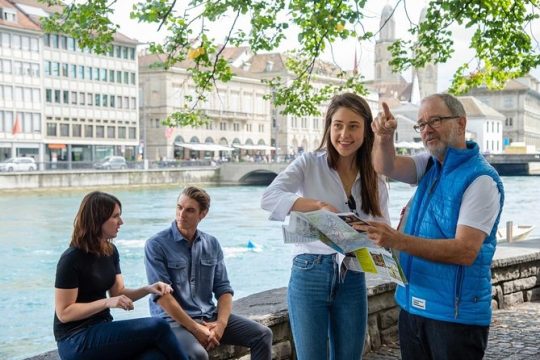
Bahnhofstrasse is easy to walk on your own, starting at the station and ending at the lake. A guided walking tour of Zurich's old town and shopping district adds context on the banks, guild history and nearby lanes. Many visitors pair the street with a lake cruise from Bürkliplatz, a chocolate tasting, or a guided city tour that links the shopping area with the old town. The street is about 1.4 kilometers long and runs from the main train station to Lake Zurich. It is largely pedestrianised, but trams cross and run along it, so watch for them when you step off the curb. Paradeplatz, roughly midway along, is known for its chocolate shop and cafe and for major banks. Plan an hour or more if you want to browse, since the street is lined with luxury and department stores.
More #2
Fraumünster Church
You can visit on your own and move at your own pace, which suits the windows well. A guided Old Town walking tour often includes the church alongside the Grossmünster, Lindenhof and the lanes along the Limmat, and a guide explains the Chagall cycle and the convent's history. Pair a guided visit with a stop in the cloister, then continue to nearby squares and riverside paths. Plan about 30 to 45 minutes to see the stained glass, the cloister and the chancel. Chagall's five-part window cycle fills the chancel, and Augusto Giacometti's windows are in the north transept. On Sundays the church opens to visitors after the morning service, so plan a Sunday visit for the afternoon. It is an active place of worship, so dress modestly and keep your voice low inside. If you use a wheelchair or stroller, ask the church office about access before you arrive.
More #3
Grossmünster Church
You can visit the church on your own and climb the tower for views over the Old Town, the river and the lake. A guided walking tour places it in the story of the Swiss Reformation and Huldrych Zwingli, then moves on through the Old Town lanes. Many city tours also pair it with the nearby river, lake and old streets. Entry to the church is free, and the south tower, the Karlsturm, has its own separate admission. The tower climb is 187 steps with no elevator, so it suits visitors who are comfortable with stairs. Sunday opening comes after the church service, so mornings may not suit a visit that day. The church is partly accessible for wheelchairs and strollers, and the tower is not. Look for the Giacometti and Polke windows, the Romanesque crypt and the cloister with its Reformation museum.
More #4
Lake Zurich (Zürichsee)
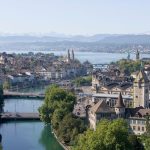
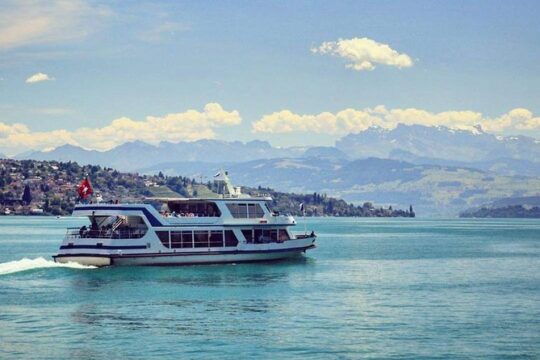
You can stroll the lakeside promenades and parks, but a boat trip shows the shoreline, the old town skyline and the villages along the water from a different angle. Short sightseeing cruises leave from the city, while longer runs head to Rapperswil and beyond. Guided cruises add commentary on the history, and many travelers pair a boat ride with a walking tour of the old town. The lake is about 40 kilometers long, so most visitors pick a short stretch of promenade or a single boat trip rather than trying to see it all. Passenger boats range from short round trips from the city to long runs up the lake, and the two paddle steamers add a classic touch. Public lake baths along the shore get very busy in warm weather, and the water is clean enough for swimming in summer. Lakeside promenades are flat and easy for strollers and wheelchairs, but check boat access with the operator if you need step-free boarding.
More #5
Paradeplatz (Parade Square)
Paradeplatz works well on your own as a stop between the main station and the lake along Bahnhofstrasse. A guided city walking tour places the square in the story of Zurich's trade and banking, from its days as a market to its role today. Many tours link it with the Old Town, the Limmat riverbank and the lake, and some add a chocolate or pastry tasting stop nearby. Paradeplatz is a public square you can walk through at any time, and it suits all ages as a short stop on a Bahnhofstrasse stroll. Allow about fifteen to thirty minutes for the square itself, and longer if you stop for coffee or pastries. The square is closed to cars and is listed as fully accessible for wheelchair and stroller users. Confiserie Sprüngli on the south side has a cafe and shop and is known for its Luxemburgerli. Bank headquarters, a historic hotel and the Sprüngli block frame the square, so look up at the 19th-century facades.
More #6
St. Peter Church (Kirche St. Peter)
Visiting on your own works well because the church is small and the clock face is easy to spot from the square. A guided old town walk adds more context, linking St. Peter with Lindenhof, the Grossmunster, the Fraumunster and the narrow lanes between them. Many walking tours also cover the guild houses and the riverside, which makes the church one stop in a longer story of the medieval city. The church suits a short stop, and most visitors need about 20 to 30 minutes inside and around the tower. It is an active Reformed parish church, so keep your voice low and dress respectfully, especially during services. The tower carries the largest church clock face in Europe, best seen from the square outside rather than from within. Concerts are held regularly, and the church may close to sightseers around them. The old town is cobbled and hilly, so strollers and wheelchair users should plan a gentle route from the station.
More #7
Zurich Old Town (Altstadt)
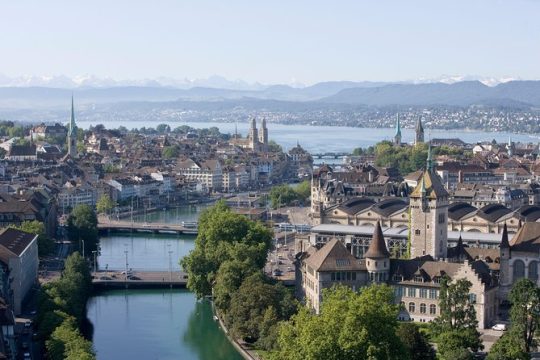
The Old Town is compact, so you can wander it on your own, crossing the Limmat bridges and climbing to the Lindenhof viewpoint. A guided walking tour adds the stories behind the guild houses, churches and Roman origins that you would otherwise walk past. Evening walks show a livelier side of Niederdorf, and some visitors combine a walk with a lake boat ride. The streets are cobbled, so comfortable shoes with good grip make the walk easier. Niederdorf is car-free, and the area is only partly accessible for visitors with mobility needs. Lindenhof hill is a free viewpoint over the Limmat, and the water from its fountain is drinkable. Climbing the Grossmunster tower needs a ticket and gives views of the city, the lake and the mountains. A walking loop through the old town covers about two kilometers, so it suits a relaxed half day.
More #8
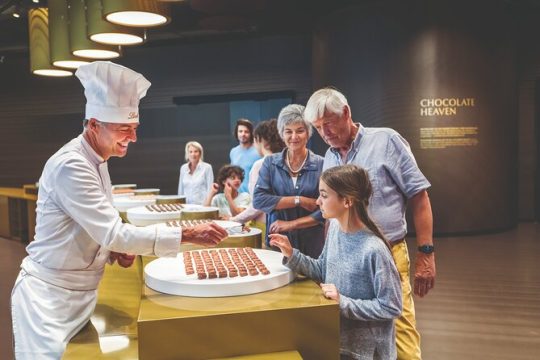
Lindt & Sprüngli Chocolate Shop
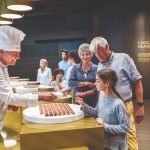
You can browse the shop and cafe on your own, but a guided visit adds context. Chocolate museum visits show the history of Swiss chocolate and the production process. Some guided day trips pair Kilchberg with Zurich old town or a lake cruise, which makes an easy half-day. Tasting sessions and chocolate-making courses are worth a look for a longer stop. The Kilchberg site sits on Lake Zurich and combines a large chocolate shop, a cafe and a chocolate museum. Plan about 30 minutes for the shop alone and up to two hours if you add the museum. The museum uses timed entry, so book ahead on busy days. The cafe serves savory meals, snacks and chocolate waffles if you want to eat on site.
More #9
Limmatquai
You can stroll the quay on your own, stopping at the Rathaus, the Wasserkirche and the guild houses. A guided old town walk adds the story behind the buildings and the churches across the river, including the Grossmünster. Lake and river boat tours also stop at a landing stage along the quay, and many walks link it with the Niederdorf and the bridges. Limmatquai is a public street along the Limmat river, so you can walk it at any time. Most motor traffic is banned on the quay, but trams still run along it, so watch for them when you cross. Guild houses along the quay hold restaurants serving traditional Zurich dishes, and arcades near the Rathaus have shops. The flat, paved quay is easy to walk and suits a relaxed stroll of an hour or two.
More #10
Lindenhof
Most people visit on their own as a pause between the Limmat riverbank, the Schipfe quarter and the Niederdorf. A guided Old Town walking tour adds the story of the Roman fort, the royal palace and the oath sworn here, which are easy to miss without a guide. Combine it with the Grossmünster and the Old Town lanes for a half-day itinerary. Lindenhof is a public hilltop square in Zurich's Old Town, freely accessible and a popular meeting point all year round. A short visit of 20 to 30 minutes covers the view, the shade trees and a look at the chess boards. The square is fully accessible for strollers and partially accessible for active wheelchair users, so expect some uneven ground on the approach. There are no cafés on the square itself, but restaurants sit a short walk away in the Schipfe and Rennweg area. Views take in the Grossmünster, City Hall, the Limmat and the university, so bring a camera.
More #11
Niederdorf
Niederdorf is easy to explore on your own, since the lanes are car-free and packed with cafés, shops and historic buildings. A guided old town walk adds the stories behind the guild houses, churches and alleys, and often links Niederdorf with Lindenhof, the Grossmünster and the Limmat riverfront. Evening walks and food-focused tours suit the district's restaurants and bars. Niederdorf is a car-free district, so it suits slow walking, window shopping and long meals. By day, many of the shops sit in small alleyways off the main street, so duck into the side lanes. In the evening the area turns into a nightlife district with bars and street performers, and the crowd gets livelier. Locals call the area Dörfli, a name that also covers the Oberdorf stretch up to Bellevue. A late-summer street festival fills the lanes with music, market stalls, food and shows.
More #12
Rhine Falls (Rheinfall)
You can walk the banks and viewing platforms on your own, or take a boat trip from the basin that stops at the rock in the middle of the falls, where stairs lead up to a platform. Guided tours start at Laufen Castle and vary in length. Many people combine the falls with the medieval old town of nearby Schaffhausen or a Rhine boat ride. You can see the falls all year, and the viewing areas are open to walk around. Platforms close to the water are reached by stairs and you will feel the spray, so bring a waterproof jacket. The panorama path from Schloss Laufen and the Belvedere platform are barrier-free, but the stair platforms are not. Boat trips run in the warmer months and depend on weather and water levels; the popular rock trip takes about 30 minutes. Restaurants are found at the castles and in the park beside the falls.
More #13
Zurich Opera House (Opernhaus Zürich)
The best way to see the opera house is to attend a performance, with opera, ballet and concerts on the program. A drink or meal at the restaurant and bars on the square adds to the evening. For context, join a guided walking tour of Zurich that passes the lakefront, Sechseläutenplatz and the Old Town, or pair a visit with a lake cruise. There is no formal dress code, but most guests dress smartly, and evening dress is common on gala and premiere nights. Coats, large bags and backpacks go to the cloakroom, which is free and sits beside the main entrance. Performances start on time, and latecomers wait for the intermission and watch on a foyer screen. The building has lifts to all floors and wheelchair spaces in the main auditorium, which you reserve in advance. Most operas are sung in the original language with German and English surtitles, and photography during performances is not allowed.
More #14
Appenzell
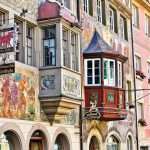
Walking the village on your own works well, using the tourist office's village map with 48 points of interest. A guided village tour adds history and local traditions, while dairy visits show how Appenzeller cheese is made. Many visitors add a day in the Alpstein, with the railway to Wasserauen, a cable car to Ebenalp and the Wildkirchli caves. A guided day trip from a larger city can combine several of these. The village center is car-free, with brightly painted houses and decorative forged signs, and it is easy to explore on foot. Allow a few hours for the village itself, and longer if you add a cable car or hike in the Alpstein mountains. Wasserauen, reached on the local railway, is the starting point for hikes to Lake Seealpsee and the Ebenalp cable car. Bring sturdy shoes and layers if you plan to head up into the mountains. Appenzeller cheese, Biberfladen bread and local beer are specialties worth trying in village cafes and shops.
More #15
Felsenegg
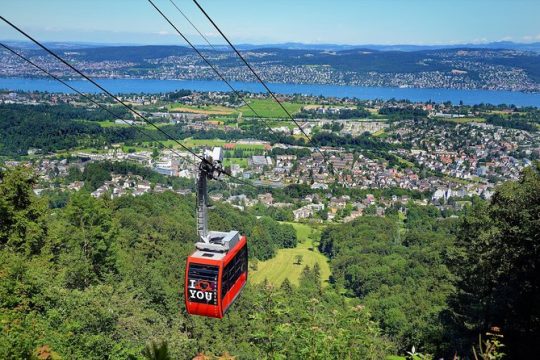
Most people ride the cable car up, enjoy the view and have a meal at the restaurant. Walkers can add the Planet Trail to Uetliberg, a scale model of the solar system that also has a children's version. Guided hikes along the Albis ridge, or a half-day outing from Zurich combining the cable car, a ridge walk and a lunch stop, make it easy to see more without planning routes yourself. Felsenegg is a lookout on the Albis ridge, popular with walkers, families and anyone who wants a quiet view over Lake Zurich and the Sihl valley. The cable car ride from Adliswil takes about five minutes, and the lower station is roughly a 10 minute walk from Adliswil railway station. An excursion restaurant at the top serves meals, and on sunny days you can sit on the terrace with views of the lake and mountains. The cable car is wheelchair accessible, but check with the operator about strollers before you travel. The ridge has many trails, including the Planet Trail to Uetliberg, a walk of about two hours, so wear proper walking shoes.
More #16
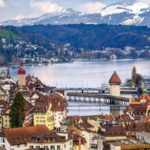
Lucerne Old Town
Wandering on your own is easy, with the bridges, squares and painted facades close together. A guided walking tour explains the painted bridge panels, the city walls and the stories behind the old squares, and some themed tours add tastings or evening settings. You can also combine the Old Town with a lake cruise, the Lion of Lucerne and the Musegg Wall towers. The Old Town is compact, and most visitors spend two to three hours on the bridges, squares and lanes. The Chapel Bridge is free to walk across at any time of day. The octagonal Water Tower beside the bridge is not open to the public, but it is a popular photo spot. The Old Town is mostly paved, so comfortable shoes help, and access is partial in places for wheelchairs and strollers. Cafés line the Reuss river and offer views of the bridge and tower.
More #17
Maienfeld
Most visitors follow the Heidi trail on their own, a circular walk from the station through the old town and vineyards to the Heidi village. If you want more context, guided walks and wine tastings in the surrounding vineyards add local stories and flavors. Many guided day trips pair Maienfeld with Chur, Bad Ragaz or a scenic rail ride through the Swiss Alps, so you see more in one day. Maienfeld is the setting of the Heidi story, so it suits families with children and anyone who loves the book. Allow a few hours to walk the Heidi trail and see the village buildings, including Heidi's house and an exhibition about the author. Animals live in the Heidi village, and a tiny post office in the souvenir shop stamps letters with a Heidi postmark. A restaurant sits beside the car park, and the village shop sells souvenirs. The trail covers 2.4 km through town and past vineyards, so wear comfortable walking shoes.
More #18
Mt. Titlis
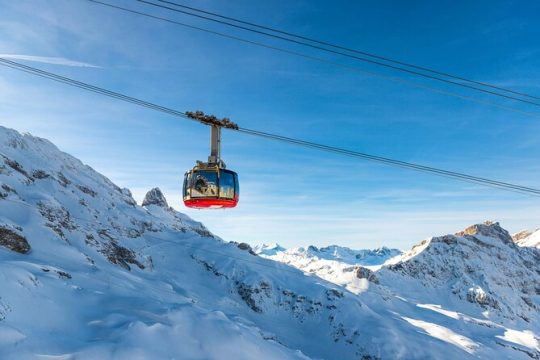
You can ride up on your own, taking the gondola from Engelberg and then the revolving Rotair cable car to the summit, where the Cliff Walk, the Glacier Cave and the Ice Flyer chairlift are the main draws. Guided day trips from Lucerne handle the train and transfers and are a relaxed way to see the mountain, often combined with time in Engelberg or other Lucerne-area sights. Allow two to three hours at the summit, and a full day if you are coming from Lucerne. The summit is much colder than the valley even in midsummer, so bring a warm waterproof jacket, gloves and a hat. Sunglasses and sunscreen matter because the sun is stronger at altitude. The Glacier Cave stays below freezing at all times, so wrap up warm for it. There are restaurants at Trübsee and at the summit level, from casual self-service to Swiss mountain classics.
More #19
National Museum Zurich (Landesmuseum Zürich)
You can explore on your own with the free smartphone audioguide, following the permanent history galleries and the rotating special exhibitions at your own pace. Guided tours and family programs add stories about the objects and the castle-like building itself. Because the museum is steps from the main station, it pairs easily with a walk through the Old Town or a boat trip departing nearby on the river. Allow two to three hours to see the Swiss history galleries and any special exhibition, and more if you stop at the bistro. Lockers hold large bags, umbrellas and heavy coats, while small bags up to A3 size may be carried into the exhibitions. Photos are welcome for personal use, but not in the exhibitions or of objects with a no-photo sign. Buggies and baby carriers can be borrowed at the Welcome Desk, as bringing your own stroller is limited by space. Audioguides are free on your own smartphone by scanning a QR code, and devices can also be hired at the museum.
More #20
Stein am Rhein
You can wander the old town and riverfront on your own in a couple of hours. A guided walk brings the painted facades, timber-framed houses and town history to life, and tastings or themed trails add a local flavor. Rhine and Untersee boat trips link Stein am Rhein with Schaffhausen and Lake Constance, and the Rhine Falls are a natural pairing for a day out. The old town is pedestrianised and compact, so you can cover it comfortably on foot. The painted facades around Rathausplatz are best admired by simply strolling, with cafes and restaurants along the Rhine promenade. Hohenklingen Castle sits above the town and offers views, so allow extra time if you want to climb up. The St. George's Abbey museum and garden are near the river, and the museum has no visitor car park. The train station is about 500 meters from the historic center, an easy walk for most visitors.
More #21
Titlis Cliff Walk
You can ride up from Engelberg on your own, but a guided excursion removes the planning. Many tours combine the cable car ride, the Cliff Walk, the glacier cave and the Ice Flyer chairlift over the glacier, often with a stop in Lucerne on the way back. An early start usually means clearer views and fewer people on the bridge. The suspension bridge is about 100 meters long and only 1 meter wide, with a drop of roughly 500 meters beneath it. Crossing takes about a minute, but allow around ten minutes for photos, and the route involves about 150 steps. The walk is not suitable for wheelchairs or strollers. The summit is at about 3,000 meters, so dress warmly and wear shoes with good grip, even in summer. The bridge can close in bad weather, so conditions on the day decide whether you can cross.
More #22
Aare Gorge
You can walk the gorge on your own along the secure footbridge, starting at either entrance and returning by train or on foot. Guided options add the story of how the Aare carved the rock, and guided visits can be combined with other sights in the Bernese Oberland on a day trip from Interlaken or Meiringen. In summer, evening visits with lighting may be offered at the west entrance. The gorge is about 1.4 kilometers long, and the walk along its footbridge and tunnels takes roughly 45 minutes to an hour. Wear shoes with good grip, since the walkway runs through a narrow canyon where spray and drips keep it damp. The gorge has two entrances, west near Meiringen and east near Innertkirchen, and the west entrance is the more popular one. Access is limited in places, so check before bringing a wheelchair or stroller, especially in busy summer months. The gorge closes for winter, and the east entrance opens later in spring than the west.
More #23
Adliswil-Felsenegg Cable Car
 #24
Aiguille du Midi
Most visitors ride the cable car on their own, with an optional stop at Plan de l'Aiguille, the starting point for summer hikes, before going on to the summit viewing terraces and the glass Step into the Void. A guided option can bundle the ride with a Chamonix sightseeing day or a mountain outing led by a local guide. In summer, a second cable car links the summit to the Italian side. The summit is at 3,842 meters, so move slowly, and pack warm clothing, sunglasses and sun cream even in summer. Children under 3 are not allowed and the trip is not recommended for children under 5. Allow two to three hours for the whole visit, and more on busy days. The station and summit terrace are accessible, but the summit snack bar and restaurant are not. Cable car operation depends on favorable weather.
More #25
Aiguille du Midi Cable Car
You can ride the cable car on your own, with a stop at Plan de l'Aiguille on the way up, and spend time at the summit viewpoints at your own pace. Guided excursions add a guide and sometimes an early departure for calmer light and smaller crowds. In summer a gondola continues over the Glacier du Géant toward Italy, and in winter experienced skiers go down the Vallée Blanche with a guide. The summit is at 3,842 meters, so bring warm clothing, sunglasses and sun cream even on a clear summer day. Children under 3 are not permitted, and children under 5 are not recommended. A visit usually takes 2 to 3 hours including travel, and busy days can roughly double that. You should be able to walk a little at altitude, since the visit includes some stairs. Chewing gum helps with ear pressure on the way up and down. The summit viewpoints are reachable for wheelchair users, but the ticket office windows and the snack bar and restaurant at the top are not accessible.
More #26
Baden-Baden
On your own, you can stroll the Lichtentaler Allee, see the Kurhaus and Trinkhalle, and spend hours in the thermal baths. Guided walking tours of the spa district bring the Roman bath ruins and the town's 19th-century heyday to life. You can also join a Black Forest day trip, or a combined itinerary pairing Baden-Baden with Strasbourg or the scenic hills above the town. Baden-Baden suits spa lovers, garden walkers and art or opera fans, and it works as a day trip or a longer stay. Check dress rules at each bath before you go, since the historic bath and the modern spa differ on swimwear. Plan a full day if you want to combine a bath with the Lichtentaler Allee gardens, the Kurhaus and a museum. The Merkur funicular and tower give views over the valley and the northern Black Forest. Opera and concert evenings at the Festspielhaus follow their own schedule, so plan ahead if you want to attend one.
More #27
Bernina Express
You can ride the train on your own as a long scenic day, then carry on by train to Milan or by bus to Lugano from Tirano. A guided rail day trip handles the connections and transfers, so you spend the journey at the window instead of checking timetables. Regional trains on the same line also stop at smaller stations such as Poschiavo, which makes a good break. The journey from Chur to Tirano covers 144 kilometers and takes about four hours. The panoramic cars need a seat reservation in addition to your travel ticket. Going south from Chur, the best views are usually on the right side, and you cannot reserve a particular side. The route is a UNESCO World Heritage railway, crossing viaducts, the Brusio Spiral and the Bernina Pass summit at 2,253 meters.
More #28
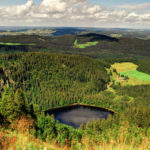
Black Forest
You can drive scenic roads, ride regional trains, or hike marked trails at your own pace. A guided day trip from Frankfurt or a base town handles the long transfers and links lakes, forest villages and viewpoints in one route. Guided walks and small-group drives also bring out local history, forestry and regional food that are easy to miss when you navigate alone. The Black Forest is a mountain region about 100 miles long, so base yourself in one or two areas rather than trying to cover it all. The climate is cooler and wetter than the surrounding lowlands, so pack a rain layer and sturdy shoes. Spring to autumn suits hiking and mountain biking, while winter brings downhill and cross-country skiing. Many hotel stays include a regional guest card that covers local buses and trains. Black Forest National Park lies between Freudenstadt and Baden-Baden, and the scenic Schwarzwaldhochstrasse road links the two towns.
MoreDiscover Zurich
Luxury & Special Occasions
Prices from $4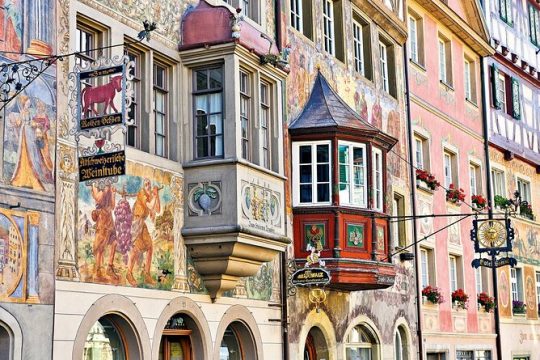
Tours & Sightseeing
Prices from $3
Cultural & Theme Tours
Prices from $3
Day Trips & Excursions
Prices from $62
Walking & Biking Tours
Prices from $3
Cruises, Sailing & Water Tours
Prices from $54
Food, Wine & Nightlife
Prices from $37
Outdoor Activities
Prices from $40
Private & Custom Tours
Prices from $4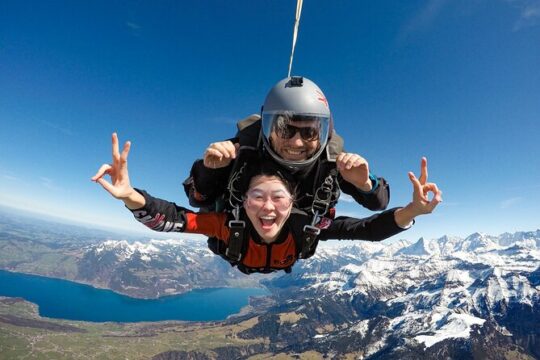
Air, Helicopter & Balloon Tours
Prices from $704
Holiday & Seasonal Tours
Prices from $68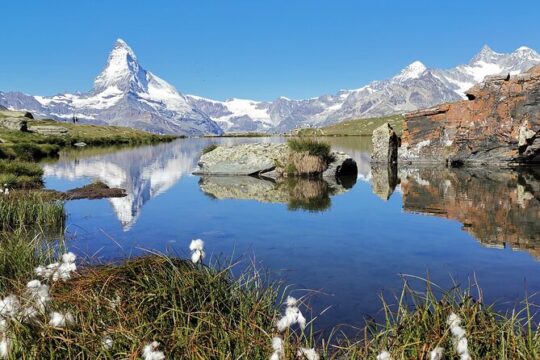
Multi-day & Extended Tours
Prices from $443Bahnhofstrasse
Prices from $3Fraumünster Church
Prices from $4Grossmünster Church
Prices from $3Lake Zurich (Zürichsee)
Prices from $4Paradeplatz (Parade Square)
Prices from $9St. Peter Church (Kirche St. Peter)
Prices from $3Zurich Old Town (Altstadt)
Prices from $3Lindt & Sprüngli Chocolate Shop
Prices from $22Limmatquai
Prices from $12Lindenhof
Prices from $3Niederdorf
Prices from $26Rhine Falls (Rheinfall)
Prices from $59

Zurich Event Calendar
View all events
Christmas activities in Zurich
Fri, Dec 25, 2026
Hanukkah in Zurich
Dec 4–12, 2026
New Year’s Eve in Zurich
Thu, Dec 31, 2026
Christmas Eve in Zurich
Thu, Dec 24, 2026
New Year’s Day long weekend in Zurich
Jan 1–3, 2027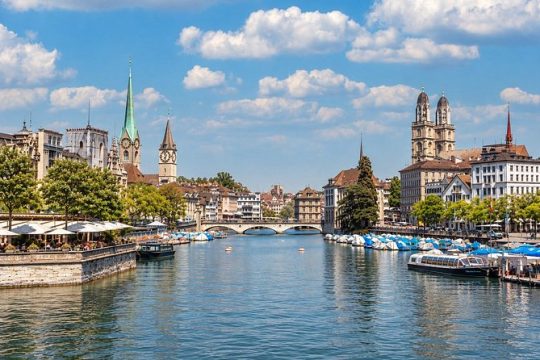
Valentine's Day in Zurich
Sun, Feb 14, 2027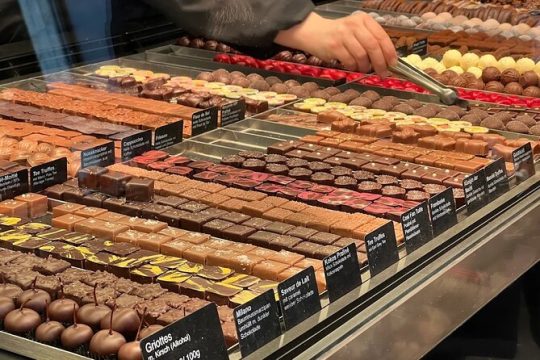
Easter in Zurich
Sun, Mar 28, 2027
Good Friday in Zurich
Fri, Mar 26, 2027